
Not every protest song needs to wave a flag or point an angry finger. Sometimes the most powerful social commentary arrives with a crooked smile, a melancholy melody, and an uncomfortable question. That is exactly where “Dirty Pitchers Of The World Unite” begins.
On the surface, the song is a darkly humorous look at corruption, greed, media manipulation, and the endless parade of broken promises that define modern society. But beneath the jangling Britpop guitars and smoky pub atmosphere lies a much deeper confession. This isn’t just a song about the people fooling us—it’s about why we keep allowing ourselves to be fooled.
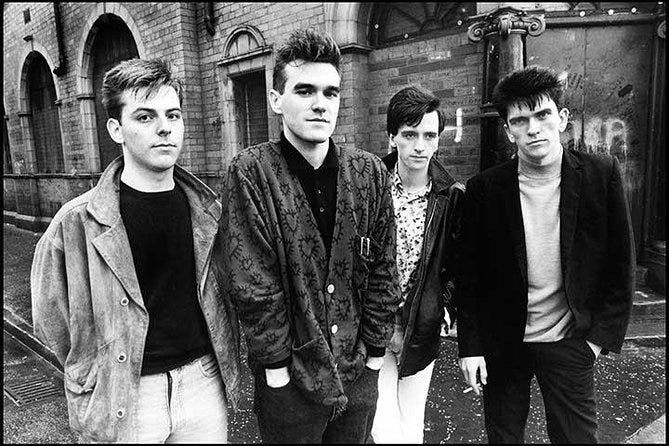
Inspired by the sharp wit of Morrissey and The Smiths, the song paints a familiar landscape of rainy streets, half-empty pint glasses, television propaganda, prescription pills, and ordinary people simply trying to make it through another day. We laugh at the evening news, complain about politicians, curse corporations, and shake our heads at the latest scandal. Yet somehow, despite recognizing the deception, we continue participating in the very systems we criticize. We keep watching, we keep buying, and we keep raising another glass from the same dirty pitchers.
The title itself serves as the central metaphor. The “dirty pitchers” aren’t merely beer pitchers sitting on the bar. They represent the institutions, narratives, and comforting illusions that continue serving us watered-down promises. Deep down, we know the drink isn’t pure anymore, but we accept another refill because uncertainty is often more frightening than disappointment. It’s easier to believe tomorrow will finally be different than to confront the possibility that we’ve become comfortable with the cycle itself.
Want The Rest of This Story?
The complete article continues inside The Punish Underground