

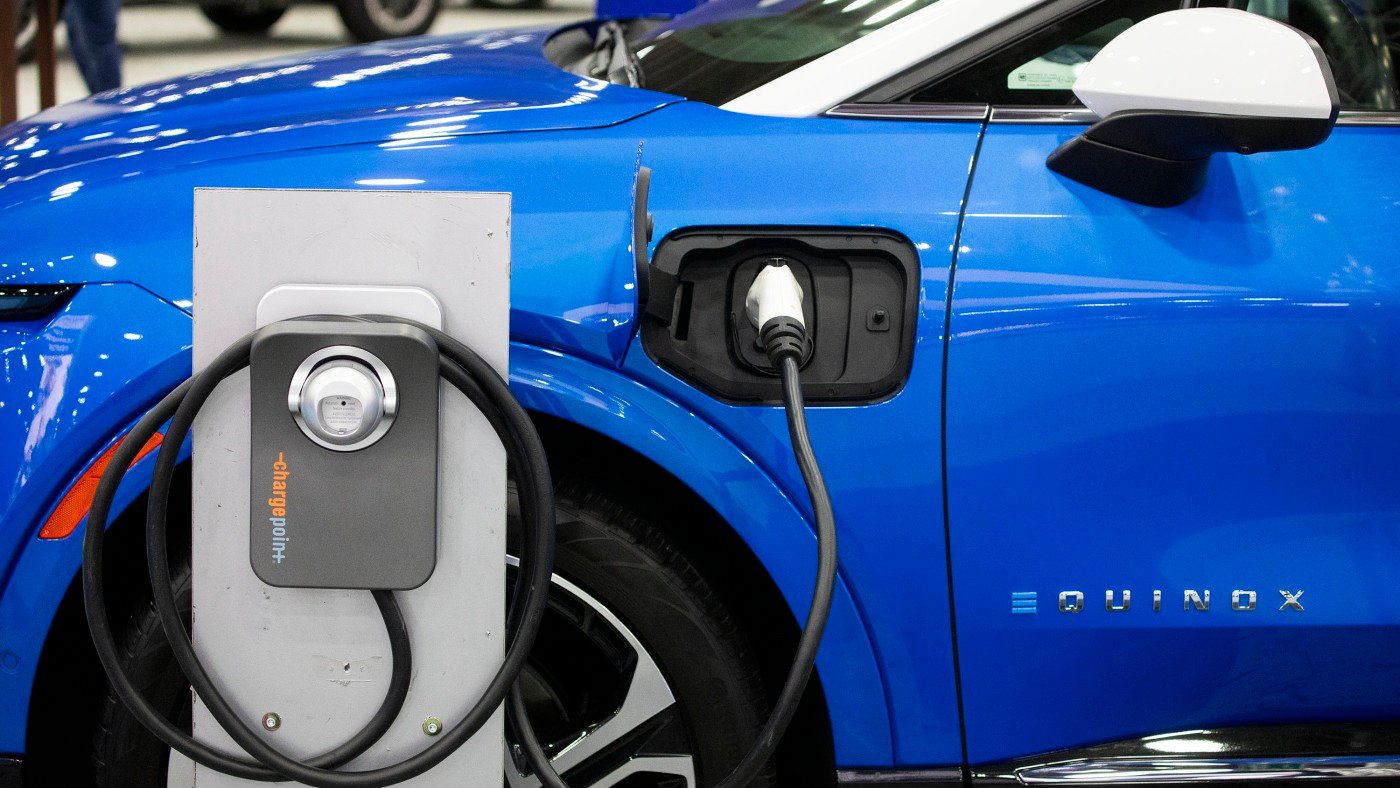
For more than a century, the world has been locked into a system dominated by oil—fueling not only our cars, but also global conflict, economic manipulation, and resource dependency. Electric vehicles and rooftop solar offer something far more powerful than cleaner transportation: the chance for individuals and nations to break free from the grip of centralized energy power.
By generating our own electricity and driving electric, we can weaken the influence of resource profiteers, strengthen energy independence, and reclaim a measure of sovereignty over how our lives—and our future—are powered.
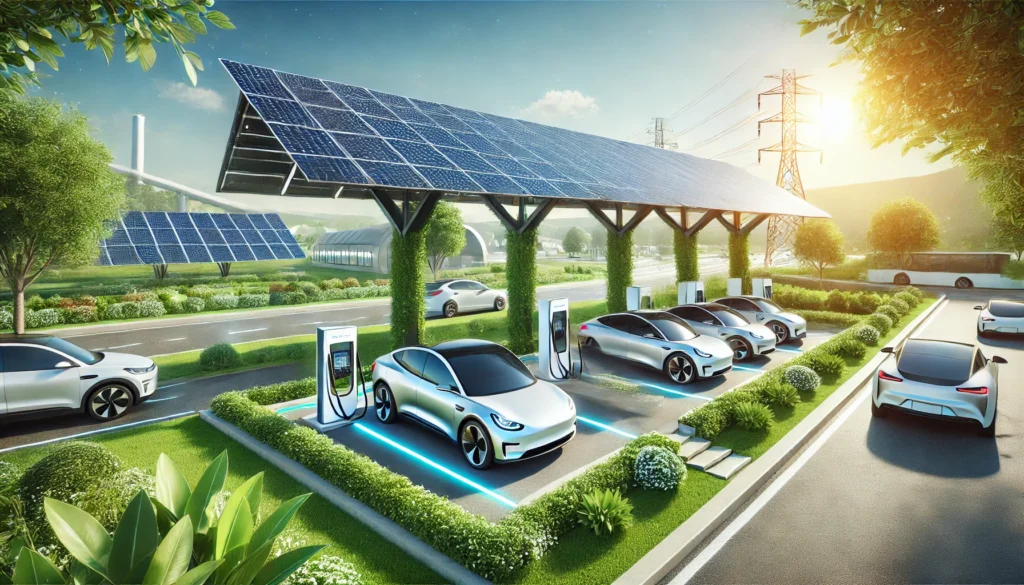
Electric Vehicles, Solar Power, and the Fight for Energy Sovereignty
For more than a century, the global economy has revolved around oil. Entire industries, political systems, and even wars have been shaped by the pursuit and control of this single resource. While gasoline-powered cars became a symbol of modern mobility and freedom, the reality behind them has often been the opposite: dependence.
Today, we are at a turning point. Electric vehicles (EVs) and solar energy are not just technological trends or environmental solutions—they represent a pathway toward something much deeper: energy sovereignty and personal independence.
Most people think about electric vehicles primarily in terms of reducing pollution or saving money on fuel. Those are important benefits, but they are only part of the story. The larger issue is control. For decades, the global oil market has allowed powerful interests—governments, cartels, and corporations—to exert enormous influence over nations and populations. When energy is centralized and scarce, those who control it wield tremendous power.
That dynamic has shaped geopolitics in ways that have often been destructive. Nations have fought over oil fields, political alliances have formed around resource access, and entire regions of the world have been destabilized because of energy competition. Ordinary citizens rarely benefit from this system, yet they are the ones who ultimately pay for it.
Electric vehicles change that equation
Unlike gasoline cars, EVs do not rely on a single globally traded fuel controlled by a handful of producers. Electricity can be generated from many sources: wind, hydro, nuclear, geothermal, and perhaps most importantly for individuals—solar power.
Imagine a world where your transportation is powered directly by sunlight collected from panels on your own roof. In that model, you are not dependent on oil markets, supply disruptions, or geopolitical conflicts. Your home becomes your own energy station. The power that moves your vehicle comes from a resource that no corporation or government can monopolize: the sun.
This shift represents more than a technological upgrade; it represents a profound decentralization of power.
When millions of households generate their own electricity and drive electric vehicles, the grip of resource profiteers weakens. The ability to manipulate markets, pressure governments, or profit from instability declines when energy is widely distributed and locally produced. In that sense, EVs and solar panels are not just consumer products—they are tools of democratic empowerment.
Of course, this transition will not happen overnight. Infrastructure must continue to improve, battery technology will evolve, and governments and industries will adapt in different ways. But the direction is clear. The future of energy is increasingly electric, renewable, and decentralized.
Each individual decision plays a role in shaping that future. When people choose electric vehicles, when homeowners install solar panels, and when communities support technologies that reduce dependence on fossil fuels, they are helping to build a more resilient and independent energy system.
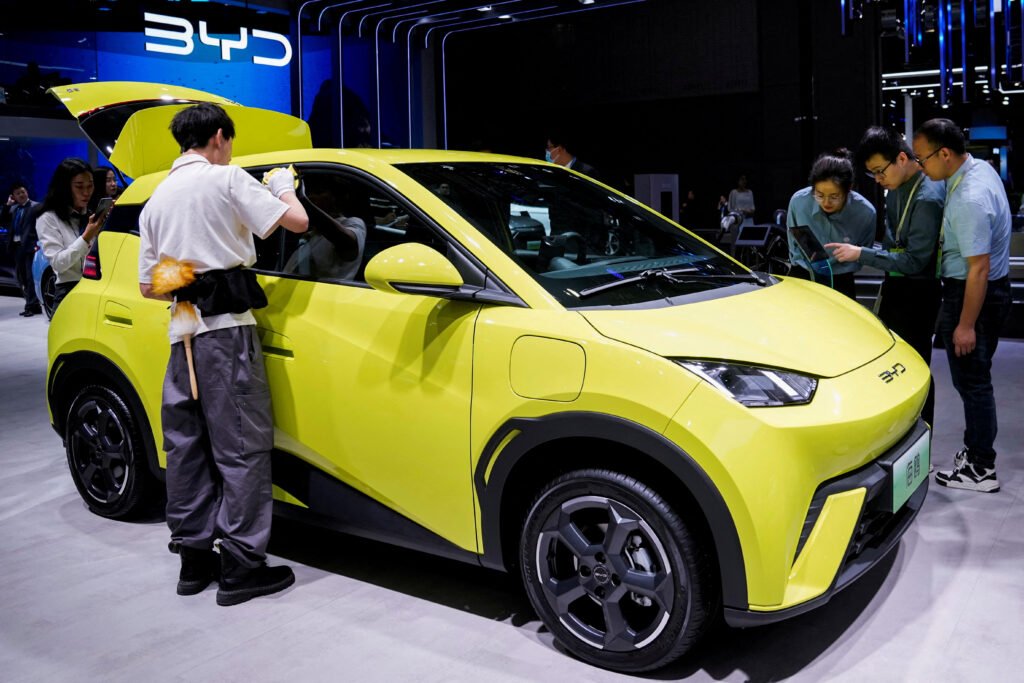
Energy independence is often discussed as a national goal. But in the modern era, it is also something that can begin at the household level. A home with solar power and an electric vehicle represents a small but meaningful step toward a world where people are less vulnerable to the volatility and power structures of the fossil fuel economy.
In the end, this transition is about more than technology or economics. It is about protecting the sovereignty of individuals and nations alike. It is about ensuring that the basic energy that powers our lives cannot be used as leverage against us.
The choices we make today—what we drive, how we power our homes, and what technologies we support—will shape the balance of power in the decades ahead.
The future of freedom may well be electric. ⚡