

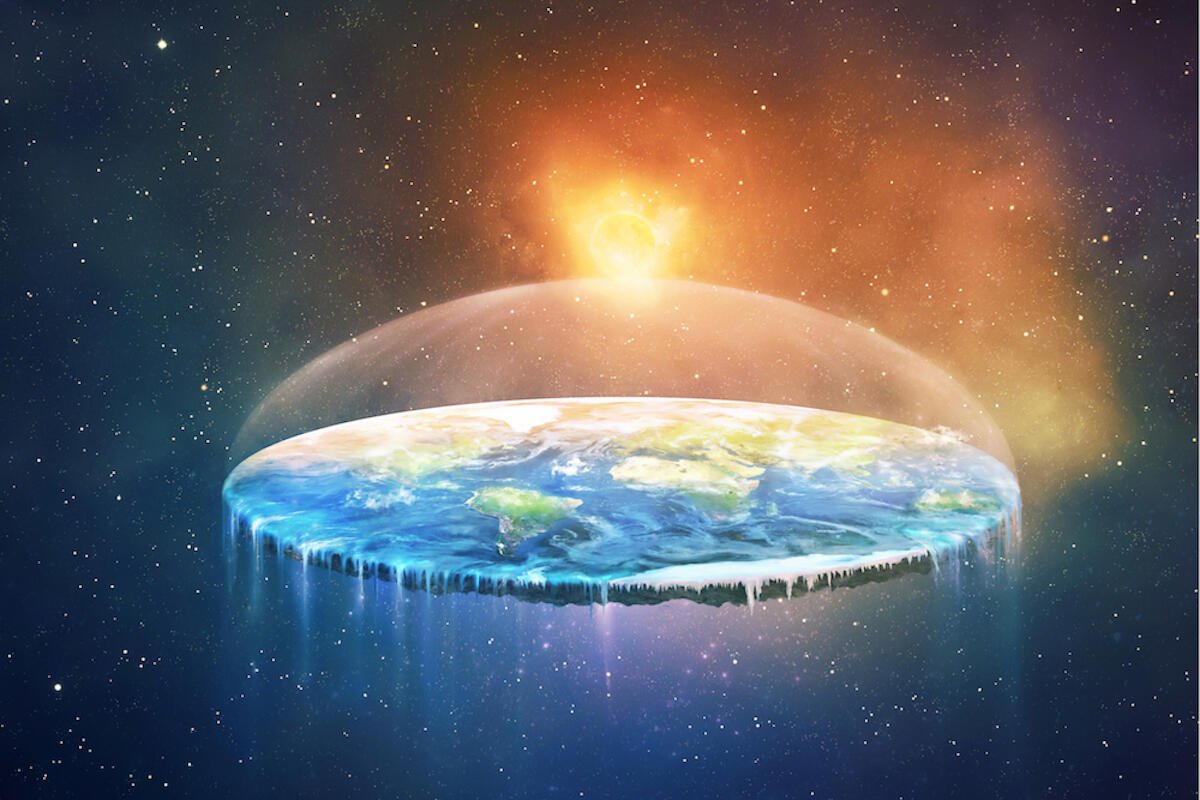
Questions about the Earth’s shape have been settled by thousands of years of observation, measurement, and modern technology.
Below are straightforward, repeatable pieces of evidence — from everyday observations with binoculars to photographic proof from space — that consistently demonstrate the Earth is round.
1. Binocular / Telescope Test
When a boat sails away from shore, observers consistently see the bottom of the boat disappear first. As the boat continues to move away, the hull disappears completely and only the mast remains visible for a while, until the entire boat drops below the horizon.
If the Earth were flat, modern binoculars or telescopes would allow us to see the entire boat no matter how far it traveled (it would merely appear smaller). The fact that objects disappear from the bottom up is expected on a curved surface and is strong, everyday evidence of Earth’s curvature.
2. Seashore Visibility — Why You Can’t See Spain From New York
On a flat plane, distant landforms should remain visible unless something physically blocks the line of sight. In reality, coastlines and distant countries (for example, Spain from New York) are not visible because they are below the horizon due to Earth’s curvature.
The curvature causes distant objects to be hidden from view as they move beyond the line of sight — a predictable geometric effect on a spherical surface.
3. Lunar Eclipse — Earth’s Shadow on the Moon
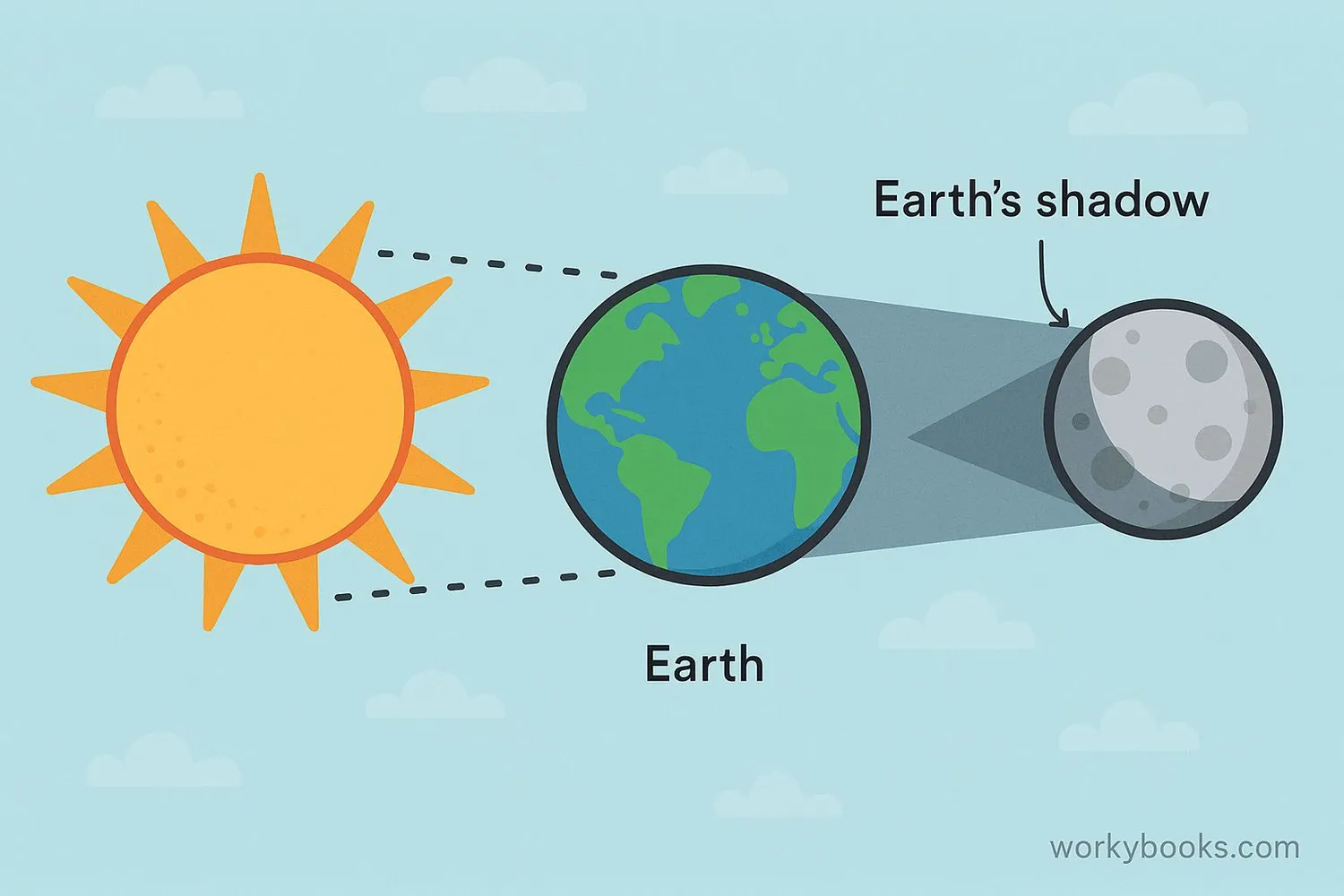
During a lunar eclipse the Earth lies between the Sun and the Moon and casts a shadow across the lunar surface. The shadow cast by Earth on the Moon is always circular, regardless of the orientation of the Earth and Sun.
Only a spherical object always casts a circular shadow from every orientation. A flat disc or other shape would cast elongated or varying shadows depending on its tilt relative to the light source. The consistently round shadow on the Moon is a classic and direct demonstration that Earth is spherical.
4. Photographs and Video From Space
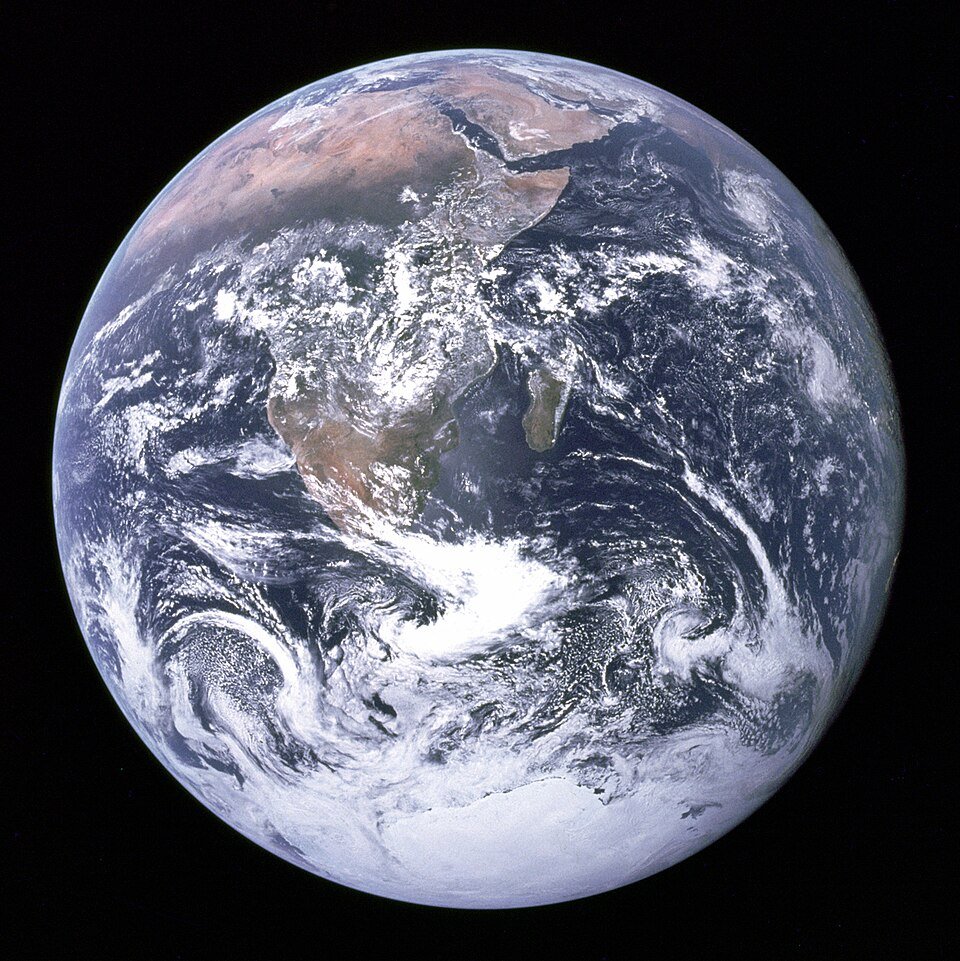
Satellites, crewed spacecraft, and space agencies around the world provide images and video showing the Earth as a sphere. These images come from many independent sources (government agencies, private companies, research organizations and independent observers) and are consistent with one another.
Photographic evidence from space is not a single proof on its own, but it complements centuries of geometric, navigational, and observational data.
5. Planetary Observation
Through binoculars or small telescopes, you can see other planets (like Jupiter and Saturn) as round spheres. The consistent spherical shape of other celestial bodies supports the idea that self-gravitating bodies — including Earth — form into spheres.
6. International Space Station (ISS) Observations
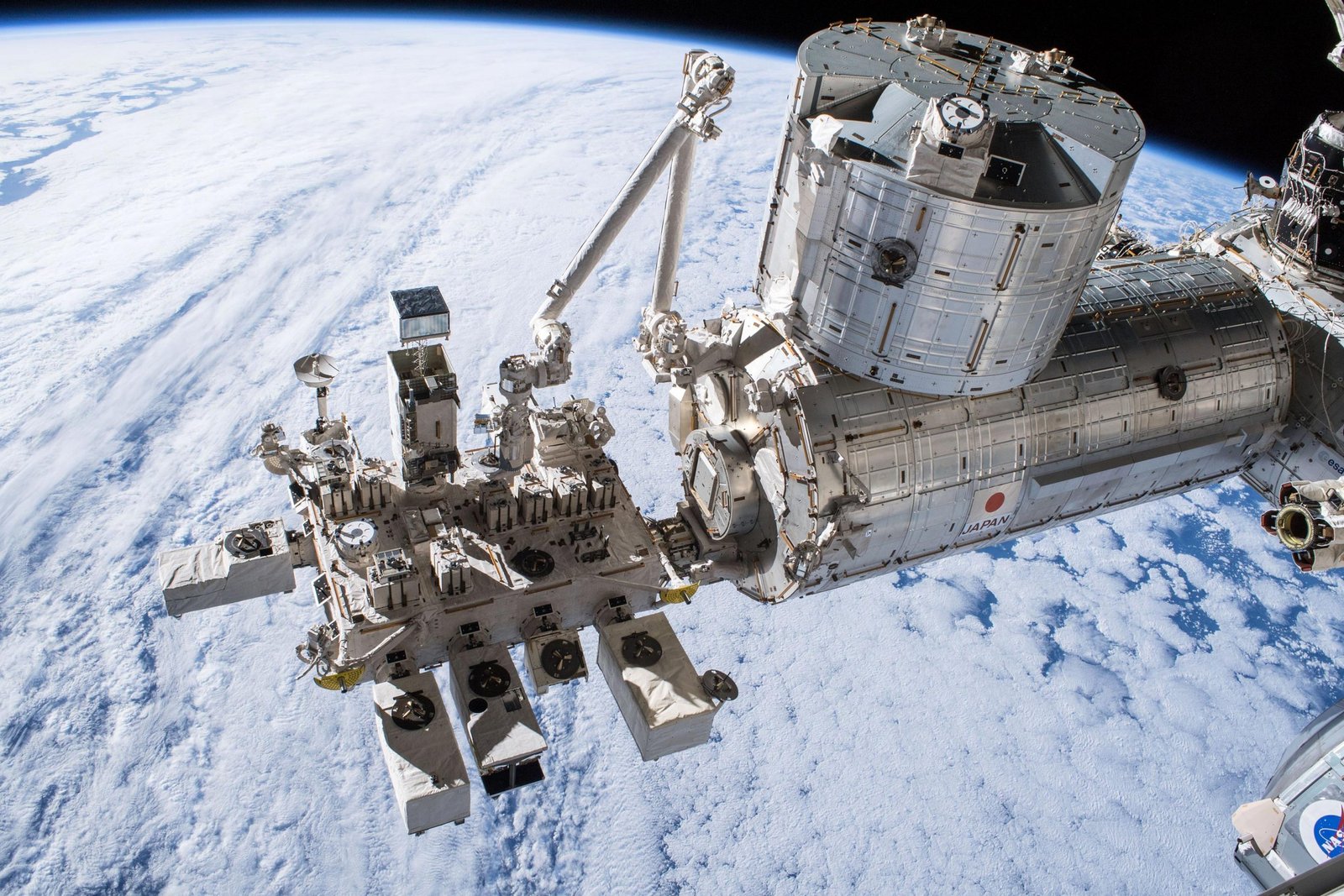
Astronauts aboard the ISS observe and photograph Earth multiple times a day. Their footage shows a curved horizon, frequent sunrises and sunsets, and entire continents visible as parts of a round globe.
These are direct, real-time observations from people who orbit the planet and can see the global shape for themselves.
View LIVE FEED from the ISS here >>>
7. Debate vs. Objective Truth
Rhetorical skill, persuasion, and charisma can win debates — but they do not change objective facts. Scientific truths are established by measurement, repeatability, and evidence, not by how persuasive an argument sounds.
It’s important to separate matters of opinion or policy (which are appropriately debated) from objective physical facts like the shape of the Earth.
8. Belief vs. Scientific Evidence
People are free to hold personal beliefs. However, in science and public understanding, we rely on objective evidence. Belief does not replace observable, repeatable facts.
Conclusion
The evidence for a spherical Earth is robust and multifaceted: straightforward observations from shorelines, predictable behavior during lunar eclipses, consistent images from space, and the spherical shapes of other planets all point to the same conclusion.
There is no objective scientific evidence supporting a flat Earth model. Claims for a flat Earth typically rely on misunderstandings of geometry, selective interpretation of observations, or non-quantitative arguments rather than repeatable evidence.